
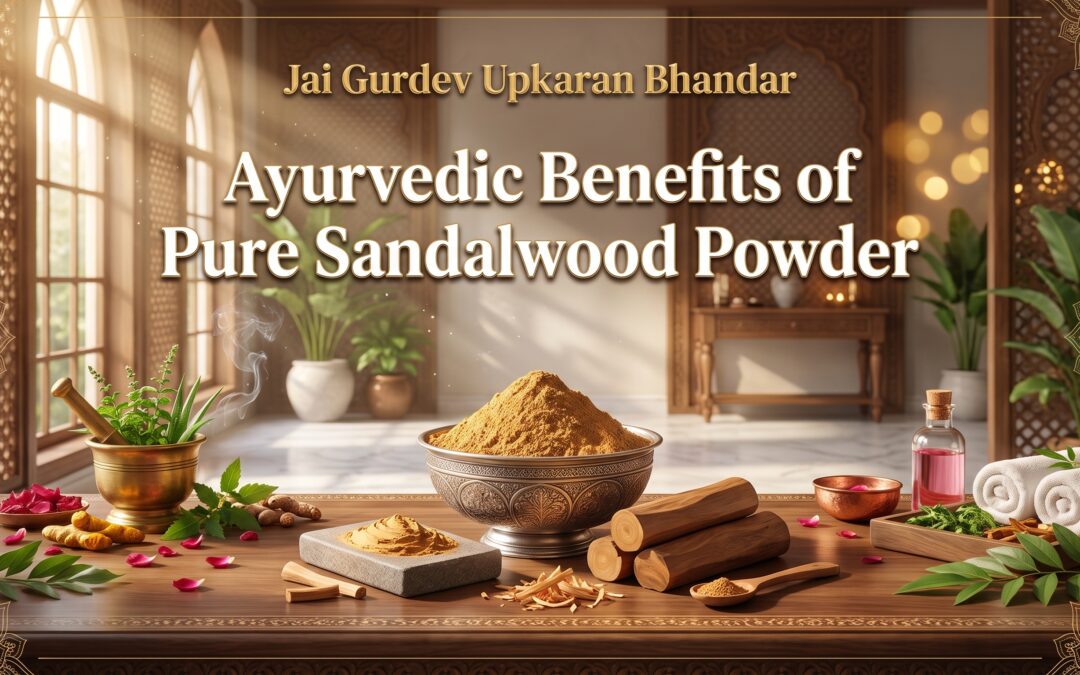
Pure Sandalwood Powder is one of the oldest cooling remedies in Ayurveda. It calms irritated Pitta energy, soothes hot and inflamed skin, and supports simple daily rituals like tilak, face packs, and bath soaks. Ayurveda calls it Chandana, and it has been used for thousands of years for both worship and skin care, though anyone with a skin condition should still do a patch test first.
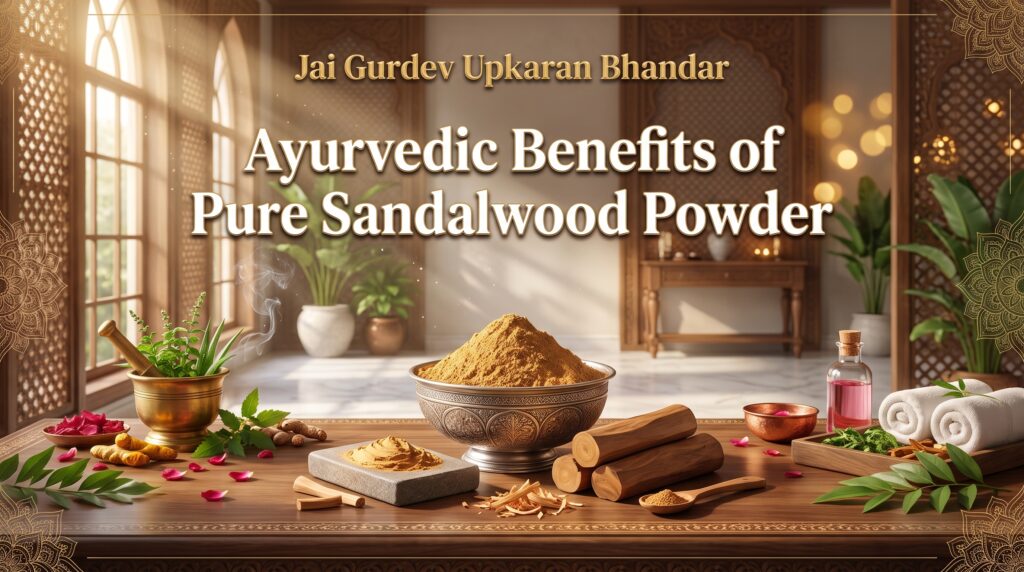
Pure sandalwood powder has been valued in Ayurveda for thousands of years because of its natural cooling, soothing, and purifying properties. Traditionally known as Chandan, it is widely used in skincare, religious rituals, meditation, and wellness therapies. Ayurvedic practitioners recommend authentic sandalwood powder to help cool the body, calm the mind, support healthy skin, and promote overall well-being. Whether used as a face pack, mixed with rose water, or applied during spiritual ceremonies, genuine sandalwood powder remains one of the most trusted natural ingredients in Indian Ayurvedic traditions.
Jai Gurudev Upkaran Bhandar, a trusted manufacturer and supplier of pure sandalwood powder in Chennai since 1977, provides premium-quality sandalwood products for Jain temples, Ayurvedic practitioners, pharmaceutical companies, spiritual institutions, wholesalers, and devotees across India. Their authentic Mysore sandalwood powder is carefully processed to retain its natural aroma, purity, and traditional Ayurvedic benefits, making it an ideal choice for skincare, puja, meditation, and wellness applications.
https://www.instagram.com/jai_gurudev_upkaran_bhandar?igsh=MWJ1NWoybnY5c3N1Yw==
https://www.facebook.com/share/1XYnyFYKR8/?mibextid=wwXIfr
www.linkedin.com/in/jai-gurudev-upkaran-bhandar-0b76b93b5
Contents
- 1 Why Ayurveda Values Sandalwood So Much
- 2 The Science Behind the Tradition
- 3 Sandalwood in Daily Ayurvedic Rituals
- 4 How Ayurvedic Skin Care Differs From Modern Skincare
- 5 Sandalwood for Pigmentation and Uneven Tone
- 6 How to Tell If Your Sandalwood Powder Is Genuine
- 7 Storing Your Sandalwood Powder the Right Way
- 8 A Word on Safety Before You Start
- 9 Sandalwood and the Mind: The Ayurvedic View on Calm
- 10 Sandalwood Across the Seasons
- 11 What Makes Jai Gurudev Upkaran Bhandar Different
- 12 Common Mistakes People Make With Sandalwood Powder
- 13 Sandalwood Beyond Skin: Other Traditional Uses Worth Knowing
- 14 Frequently Asked Questions
- 15 Final Summary
Why Choose Pure Sandalwood Powder for Ayurveda?
- Naturally cools and refreshes the skin
- Helps soothe irritation and redness
- Traditionally used to reduce excess body heat
- Supports healthy, glowing skin
- Promotes relaxation during meditation and spiritual practices
- Used in Ayurvedic beauty treatments for centuries
- Suitable for puja, temple rituals, and Ayurvedic formulations
When searching for Ayurvedic Benefits of Pure Sandalwood Powder, authentic sandalwood powder for skin, Mysore sandalwood powder supplier, or pure chandan powder manufacturer in India, choosing a trusted supplier ensures you receive genuine, naturally fragrant, and high-quality sandalwood suitable for both Ayurvedic and spiritual use. Jai Gurudev Upkaran Bhandar continues to be a preferred supplier for temples, Ayurvedic businesses, and customers looking for premium sandalwood products across India.
Why Ayurveda Values Sandalwood So Much
Walk into any old Ayurvedic pharmacy and you will find a jar of sandalwood powder sitting near the front counter. That is not by accident. Chandana, the Sanskrit word for sandalwood, shows up in classical Ayurvedic texts as a cooling, calming substance used for fevers, skin heat, and mental restlessness.
Ayurveda groups the world into three doshas: Vata, Pitta, and Kapha. Sandalwood is called tridoshic, which means it can support balance across all three, but it is best known for calming Pitta. Pitta governs heat, digestion, and transformation in the body. When Pitta rises too high, you often see it on the skin first, as redness, rashes, acne, or a general feeling of heat under the surface. Sandalwood’s natural coolness works directly against that heat.
This is why old family recipes for prickly heat, sunburn, and skin irritation almost always include a spoon of sandalwood powder mixed into water or rose water. Grandmothers across India have been making this paste for generations, long before anyone wrote a skincare blog about it.
The True Sandalwood Tree
Real sandalwood comes from a tree called Santalum album, often called white sandalwood. This tree is slow. It takes fifteen to twenty years to mature enough for its heartwood to develop the rich aroma and oil content that make it valuable. That long wait is part of why genuine sandalwood costs more than many other natural powders. You are paying for two decades of patient growth, not just a bag of ground wood.
Because the tree grows so slowly, supply is limited, and this has led to a flood of cheaper substitutes in the market. Some sellers mix in sawdust from other trees, chalk powder, or synthetic fragrance to stretch their stock. This matters a lot if you plan to put the powder on your face, not just burn it as incense.
The Science Behind the Tradition
Ayurveda built its reputation on centuries of observation, and modern research is now catching up with some of those old claims. Sandalwood oil contains a compound called alpha-santalol, which usually makes up between twenty five and fifty percent of the oil. Alongside it sit smaller amounts of beta-santalol, santalene, and various sesquiterpene alcohols.
A study published in the Indian Journal of Pharmacology in 2020 looked at how sandalwood oil behaves against common skin bacteria. Researchers found it inhibited the growth of Staphylococcus aureus, Streptococcus, and Propionibacterium acnes, the bacteria linked to acne breakouts. This backs up what Ayurvedic healers have said for a long time: sandalwood helps keep skin clean and supports wound healing.
Separate research has looked at sandalwood and acne more directly. A 2012 clinical study found that a topical sandalwood oil treatment reduced acne lesions in about ninety percent of the people who used it over six weeks. Another study, a randomized controlled trial from 2019, found that twice weekly sandalwood face masks over eight weeks led to roughly a twenty five percent drop in sebum production, meaning less oily skin overall.
None of this means sandalwood is a miracle cure. It means the old Ayurvedic habit of dabbing chandan paste on a pimple was not just superstition. There was real chemistry behind it.
What Ayurveda Says About Skin Heat
In Ayurvedic language, angry red skin, breakouts, and that hot, itchy feeling are described as excess Pitta showing up on the surface of the body. The classical approach is not to attack the skin with harsh treatments but to cool it down gently and let it settle.
Sandalwood paste applied to the forehead, chest, or affected area is one of the simplest cooling treatments in this tradition. It is gentle enough for daily use in most people, which is part of why it became such a routine part of Indian households rather than something reserved for special treatments.
Sandalwood in Daily Ayurvedic Rituals
Long before skincare routines had ten steps, Indian households had one simple habit: mix a little sandalwood powder with water, apply it, let it dry, then rinse. This single act served several purposes at once.
For many families, it started the day as part of a morning puja, with a small tilak of sandalwood paste applied to the forehead as a mark of respect and a way to keep the mind calm before starting daily tasks. Ayurveda has always linked the forehead area to mental clarity, and the cooling sensation of sandalwood was believed to settle the nervous system, not just the skin.
Later, that same paste got used again in the evening, this time as a simple face pack after a hot day out in the sun. Two uses, one jar of powder. This dual purpose is part of why Pure Sandalwood Powder has stayed a staple in Indian homes across centuries, unlike trends that come and go.
Mysore Sandalwood and Why Region Matters
Not all sandalwood is equal, even within India. Sandalwood grown in the Mysore region of Karnataka has long been considered the finest in the world because of its high oil content. In 2006, Mysore Sandalwood Oil received an official Geographical Indication tag under India’s GI Act of 1999, a legal recognition that this specific region produces sandalwood with a distinct and superior quality.
This matters more than it might seem for skincare use. Higher oil content means more of the active compounds like alpha-santalol reaching your skin when you apply the paste. When you see Mysore Chandan Powder labeled as such, it is pointing to that same tradition of high quality, oil rich sandalwood that Ayurvedic practitioners have preferred for generations.
How Ayurvedic Skin Care Differs From Modern Skincare
Modern skincare often chases fast results. Peels, acids, and strong actives promise visible change within days. Ayurveda takes a slower, gentler path, working with the body rather than forcing a reaction.
Sandalwood fits this philosophy well. It does not strip the skin or cause the kind of redness and peeling you might get from a chemical exfoliant. Instead, it works quietly over repeated use, calming inflammation, absorbing some excess oil, and giving the skin a soft matte finish. This is a slower kind of skincare, closer to a long term habit than a quick fix.
That said, gentle does not mean useless. Regular use of a good Chandan Powder paste, two or three times a week, can noticeably improve how skin feels and looks over a few weeks. Many users report their skin feels cooler, less oily, and calmer after a month of consistent use.
A Simple Ayurvedic Face Pack
Making a basic sandalwood face pack at home does not need fancy equipment. Take one or two spoons of Pure Sandalwood Powder in a small bowl, then slowly add rose water or plain water until it forms a smooth, thick paste, not too runny and not too dry. Apply this paste evenly across a clean face, avoiding the eye area, then let it sit for about fifteen minutes while it dries slightly. Rinse it off with lukewarm water using gentle circular motions, then pat the skin dry instead of rubbing it.
Some Ayurvedic recipes add a pinch of turmeric to this base paste for extra brightness and its own traditional anti-inflammatory reputation. Others add a few drops of milk or honey for added softness. The base, however, always stays the same: real sandalwood powder and water.
Sandalwood for Pigmentation and Uneven Tone
One area of growing interest is sandalwood’s effect on skin pigmentation. Laboratory studies suggest that sandalwood extract may reduce melanin production by up to around forty percent under controlled lab conditions. This has led researchers to study sandalwood as a possible natural ingredient for hyperpigmentation and uneven skin tone.
It is worth being honest here. This research is still in early, lab-based stages. It does not mean applying sandalwood powder at home will fade dark spots by forty percent, or fade them at all in every case. What it does suggest is that the interest in sandalwood for tone-related skin concerns is not baseless. There is early scientific curiosity backing up what Ayurveda has claimed for a long time about chandan brightening and evening out skin appearance over consistent use.
Cooling for Sunburn and Heat Rashes
Anyone who has spent a long day out in Indian summer heat knows the feeling of skin that is hot to the touch, slightly red, and irritated. Ayurveda has always recommended sandalwood paste for exactly this situation. The cooling property that calms Pitta internally does something similar on the surface of the skin, taking the edge off that hot, uncomfortable feeling.
A thin layer of sandalwood paste on sunburned shoulders or a heat rash on the back of the neck can bring noticeable relief within minutes. It will not undo sun damage, but the calming sensation is real and immediate, which is part of why this remedy has survived so many generations without needing modern marketing to keep it alive.
How to Tell If Your Sandalwood Powder Is Genuine
Given how much sandalwood costs to grow, fake and diluted versions are common in the market. Knowing what real Pure Sandalwood Powder looks and feels like protects both your skin and your money.
Genuine sandalwood powder has a pale yellow to cream color, never bright white or grey. When you rub a small amount between two fingers, it should feel slightly oily, not dry or chalky like flour. The smell is soft and woody, and it should linger gently on your skin for hours after application, not fade away in a few minutes and not smell sharp or artificial like a perfume spray.
A simple water test can also help. Mix a small amount of the powder into a glass of water. Real sandalwood powder forms a light, fine suspension, meaning it stays mostly at the bottom with a slight cloudiness in the water, rather than dissolving completely or creating foam. If your powder foams up like soap or dissolves instantly and completely, it likely contains added chalk, talc, or other fillers.
Adulterated powder is not just a case of getting less value for your money. Fillers like dyed sawdust or synthetic fragrance can irritate sensitive skin, causing redness or breakouts instead of preventing them. This is exactly the opposite of what you want from a calming Ayurvedic remedy.
Why Sourcing Matters
This is one of the biggest reasons to buy from a supplier who tests for purity rather than just selling whatever is cheapest. Jai Gurudev Upkaran Bhandar has built its reputation on supplying Pure Sandalwood Powder that is checked for purity before it reaches customers, serving both temples that need reliable puja materials and individuals who want safe, effective skincare ingredients. When a product is going on your skin regularly, knowing exactly what is in that jar is not a small detail. It is the whole point.
Storing Your Sandalwood Powder the Right Way
Even the best quality sandalwood powder loses its benefits if stored poorly. Ayurvedic practitioners have always kept their chandan powder in sealed containers, away from sunlight and moisture, and that old habit still holds up.
Keep your sandalwood powder in an airtight container, stored in a cool, dry spot away from direct sunlight and away from strong smelling items like spices or cleaning products, since sandalwood can absorb nearby odors over time. Moisture is the biggest enemy here, as damp powder can clump and lose its fine texture, and in humid conditions it may even develop mold. Stored well, in a sealed jar in a dry cupboard, good sandalwood powder can hold its fragrance and quality for one to two years or even longer.
A Word on Safety Before You Start
Sandalwood is gentle by most standards, but gentle does not mean risk free for everyone. Before using any new sandalwood product regularly, do a simple patch test. Apply a small amount of the paste to your inner arm, wait twenty four hours, and check for any redness, itching, or irritation before applying it to your face.
If you have an existing skin condition such as eczema, psoriasis, or an active infection, talk to a dermatologist before adding sandalwood to your routine. This is especially true for anyone undergoing medical treatment, including cancer treatment. Some small pilot clinical studies have looked at a combination cream of sandalwood oil and turmeric for radiation-induced skin irritation in cancer patients undergoing radiotherapy, and found encouraging early results in reducing discomfort for some patients. This research is still early stage, published in peer-reviewed journals but based on small groups, and it should never be treated as a cure or a replacement for medical care. Anyone going through cancer treatment or any other medical condition should always consult their doctor before adding sandalwood, or any new topical product, to their skin routine.
Sandalwood and the Mind: The Ayurvedic View on Calm
Ayurveda never separated the skin from the mind the way modern beauty routines sometimes do. Chandana was always considered both a skin remedy and a mind remedy, used to settle a racing mind as much as a hot rash. Meditation halls and temple courtyards across India still burn sandalwood incense or apply the paste before prayer, not just for the pleasant smell but because the scent itself was believed to slow down breathing and quiet mental chatter.
Modern aromatherapy has picked up on this old idea. The scent of sandalwood is often used in relaxation blends and evening routines because people report feeling calmer after a few minutes of inhaling it. There is no need to overstate this. Ayurveda never claimed sandalwood puts you to sleep or cures anxiety. It simply observed, over centuries, that the scent tends to slow people down a little, and that gentle shift is part of why sandalwood tilak became a fixture of quiet, reflective moments rather than busy, hurried ones.
This mind-skin connection also shows up in how Ayurveda explains stress-related skin flare-ups. When Pitta rises from mental strain, it can show up as breakouts or a flushed, irritated complexion. A cooling chandan paste addresses both angles at once, calming the skin surface while the scent itself helps the person slow down and breathe. It is a small ritual, but repeated daily or weekly, it adds up to something meaningful.
Sandalwood in Ayurvedic Oil Blends
Beyond the simple water paste, Ayurvedic practitioners have long combined sandalwood powder with other natural oils to create richer treatments. Mixing a small amount of sandalwood powder into coconut oil or sesame oil creates a nourishing paste suited for drier skin types, since plain water paste can sometimes feel drying for those who already have low natural oil production.
Sesame oil in particular has its own long history in Ayurveda as a warming, grounding oil, and pairing it with the cooling nature of sandalwood creates a balanced combination that many practitioners use during oil massage, known as abhyanga. A few drops of this blend massaged gently into the skin before a bath can leave the skin feeling soft without the heaviness that some heavier creams bring.
For those with oilier skin, a rose water base tends to work better than an oil base, since it will not add extra oil to skin that already produces plenty. This is part of why Ayurveda never gave one single fixed recipe for sandalwood use. The base ingredient was always meant to be adjusted to the person’s skin type and the season, while the sandalwood itself stayed the constant, central ingredient.
Sandalwood Across the Seasons
Ayurveda pays close attention to the changing seasons and how they affect the body, and sandalwood use shifts along with them. During the hot summer months, when Pitta naturally rises due to external heat, sandalwood becomes almost essential in many households, used more frequently in face packs, bath water, and cooling drinks flavored with a pinch of the powder.
In the cooler winter months, sandalwood is often used more sparingly or combined with warming ingredients like a touch of honey, since the skin already deals with dryness from cold air and may not need as much pure cooling. This seasonal awareness is a good reminder that Ayurveda was never a rigid, one-size-fits-all system. It asked people to pay attention to their own body and the world around them, adjusting simple remedies like sandalwood paste to match what the season demanded.
Monsoon season brings its own challenges, with humidity often triggering fungal issues and clogged pores. Many households increase sandalwood use during these months specifically because of its traditional antimicrobial reputation, using it as a light preventive face pack a couple of times a week to keep skin clear despite the sticky, humid air.
Combining Sandalwood With Other Ayurvedic Ingredients
Sandalwood rarely worked alone in classical Ayurvedic formulas. It was frequently paired with other well known ingredients, each bringing its own property to the mix. Turmeric, with its own long reputation for calming irritated skin, is one of the most common partners, and the two together create a paste that many households still consider a first response to minor skin irritation.
Neem, known for its bitter, cleansing properties, sometimes joins the mix for those dealing with active breakouts, since neem’s reputation leans toward deeper cleansing while sandalwood provides the cooling and calming half of the equation. Rose water, already mentioned as a base liquid, adds its own mild astringent and soothing quality, making the combination gentler still.
Multani mitti, or fuller’s earth, is another common addition for those with oilier skin, since it absorbs excess oil while the sandalwood calms any redness underneath. None of these combinations are fixed rules. They developed over generations of households experimenting and passing down what worked, which is really the story of most Ayurvedic home remedies.
What Makes Jai Gurudev Upkaran Bhandar Different
With so many sandalwood products on the market, choosing where to buy from matters as much as knowing how to use it. Jai Gurudev Upkaran Bhandar has focused specifically on sourcing sandalwood that meets the standards Ayurveda has always asked for: real Santalum album wood, ground without unnecessary fillers, and tested before it reaches the customer.
This matters because the entire foundation of Ayurvedic skincare rests on using ingredients close to their natural state. A powder cut with chalk or dyed sawdust breaks that foundation entirely, no matter how nicely it is packaged. Buyers looking for Mysore Chandan Powder specifically should look for suppliers who are transparent about sourcing, since the reputation of Mysore sandalwood has made it a target for mislabeling by less careful sellers.
Jai Gurudev Upkaran Bhandar serves a wide range of customers, from temples needing consistent puja supplies to individual households wanting a reliable Chandan Powder for their skincare shelf. That dual purpose mirrors the very way sandalwood has always been used in Indian homes, moving between the prayer room and the bathroom shelf without ever needing two separate products.
Common Mistakes People Make With Sandalwood Powder
Even a simple remedy can go wrong if used carelessly, and sandalwood is no exception. One of the most common mistakes is leaving the paste on for too long. Many people assume that longer application means better results, but sandalwood paste is meant to be removed once it starts to dry and feel tight on the skin, usually within fifteen to twenty minutes. Leaving it on for an hour or letting it fully harden and crack can pull too much moisture from the skin and leave it feeling tight and uncomfortable afterward.
Another mistake is using too much powder at once, thinking a thicker paste works faster. A thin, even layer is enough. Piling on a heavy layer wastes product and does not speed up any of sandalwood natural benefits, since the active compounds work through skin contact, not through sheer quantity.
Rubbing the paste off vigorously instead of rinsing it gently is another common error. Sandalwood paste, once dried, can feel a bit gritty, and scrubbing it off aggressively can cause micro-irritation, especially on already sensitive skin. A better approach is to splash lukewarm water on the face first to soften the dried paste, then gently massage it off in circular motions before a final rinse.
Buying the cheapest available powder without checking its source is perhaps the biggest mistake of all. Given how often adulterated sandalwood shows up in the market, a low price is sometimes a warning sign rather than a bargain. Spending a little more on a purity-tested product from a trusted seller usually pays off in both results and safety.
Combining Sandalwood With a Full Skincare Routine
Sandalwood does not need to replace a full skincare routine. It fits naturally alongside cleansing, moisturizing, and sun protection as one part of a broader habit. Many Ayurvedic followers use a sandalwood face pack as a weekly treatment, similar to how modern skincare routines include a weekly mask, rather than as a replacement for daily cleansing.
After removing a sandalwood pack, the skin is often slightly more receptive to a light moisturizer, since the pores have opened up during the treatment. Applying a natural oil like almond or coconut oil shortly after rinsing can help lock in some hydration, especially for those with drier skin who found the paste slightly tightening.
Sun protection remains important regardless of how many natural remedies someone uses. Sandalwood does not replace sunscreen, and anyone stepping out into strong sun after a sandalwood treatment should still protect their skin from direct UV exposure, since the skin can be slightly more sensitive right after a face pack session.
Sandalwood Beyond Skin: Other Traditional Uses Worth Knowing
While this article focuses mostly on skin, it helps to understand the fuller picture of why Ayurveda holds sandalwood in such high regard. Classical texts describe chandana being used in small internal preparations for cooling the body during fevers, though this always required guidance from a trained practitioner and proper dosing, unlike the simple external paste anyone can make at home.
Sandalwood also appears in traditional hair care, mixed into oils meant to cool the scalp during hot months or to calm an itchy, irritated scalp. The same cooling logic that helps hot, inflamed skin applies to a scalp that feels hot and itchy after a long day in the sun. A small amount of sandalwood powder mixed into a carrier oil, left on the scalp for twenty minutes before a wash, is a remedy still used in many households today.
In aromatherapy circles outside India, sandalwood oil has become a popular ingredient in relaxation blends, diffused during meditation or yoga practice. This modern adoption outside its traditional home shows how sandalwood’s calming reputation has traveled far beyond Ayurveda, even as the scientific research slowly catches up with centuries of anecdotal use.
Choosing Between Powder, Oil, and Paste
Sandalwood products come in a few different forms, and knowing the difference helps you pick the right one for your goal. Sandalwood powder, the most traditional and versatile form, is ground directly from the heartwood and works well for face packs, tilak, and bath additions since you control exactly how much water or other liquid to mix in.
Sandalwood oil is a concentrated extract, much stronger in both scent and active compound concentration, and it is usually used in small drop amounts mixed into a carrier oil rather than applied directly to skin. This form is popular in aromatherapy and in some of the clinical studies mentioned earlier in this article, since researchers can measure a precise dose of oil more easily than a paste.
Ready-made sandalwood paste, sold in tubes or small jars, offers convenience but often contains added preservatives or thickeners to keep its texture stable on a shelf. For those who want full control over what touches their skin, starting with Pure Sandalwood Powder and mixing your own paste fresh each time remains the most transparent option, since you know exactly what went into it.
Frequently Asked Questions
Is Pure Sandalwood Powder safe for daily use on the face?
For most people with normal skin, using a sandalwood face pack two to three times a week is a common Ayurvedic practice and considered gentle. Daily use is usually not necessary and may be excessive for some skin types. Always start slowly and watch how your skin responds before increasing frequency.
What is the difference between Sandalwood Powder and Chandan Powder?
Chandan is simply the Sanskrit and Hindi word for sandalwood, so Chandan Powder and Sandalwood Powder refer to the same product. You will often see both terms used interchangeably in Ayurvedic shops and online listings across India.
Why is Mysore Chandan Powder considered better than other sandalwood?
Sandalwood grown in the Mysore region of Karnataka has historically had a higher oil content than sandalwood from other regions, which is why it earned a Geographical Indication tag in 2006. Higher oil content generally means a stronger fragrance and more of the active compounds that give sandalwood its traditional benefits.
Can sandalwood powder help with acne?
Some research supports this traditional use. A 2012 clinical study found reduced acne lesions in about ninety percent of participants using a topical sandalwood oil treatment over six weeks, and sandalwood oil has shown activity against acne-related bacteria in lab studies. Results vary between individuals, so a patch test and gradual introduction is still wise.
How do I know if my sandalwood powder is fake?
Real sandalwood powder is pale yellow to cream in color, feels slightly oily between your fingers, and has a soft woody smell that lingers for hours. If it smells sharp or artificial, feels dry and chalky, or dissolves completely and foams in water, it likely contains fillers or synthetic additives.
Can I use sandalwood powder if I have sensitive skin?
Many people with sensitive skin tolerate pure sandalwood well because of its calming, anti-inflammatory nature, but sensitive skin varies a lot from person to person. Always patch test on your inner arm first and wait a full day before applying it to your face.
Does sandalwood powder lighten skin tone?
Laboratory research suggests sandalwood extract may reduce melanin production under controlled conditions, and Ayurveda has long used it for evening out skin tone. This is early-stage research though, and results from a simple face pack at home will likely be gradual and mild rather than dramatic.
How long does a jar of sandalwood powder last?
If stored properly in an airtight container away from sunlight, heat, and moisture, sandalwood powder can maintain its fragrance and quality for one to two years or longer. Poor storage in humid or sunny spots will shorten this significantly.
Is Jai Gurudev Upkaran Bhandar a reliable source for pure sandalwood powder?
Jai Gurudev Upkaran Bhandar focuses on supplying purity-tested sandalwood powder suitable for both puja rituals and skincare, serving devotees, Ayurveda practitioners, and temples across India. Their focus on verified purity is especially useful for anyone planning to use the powder on their skin rather than just for worship.
Can cancer patients use sandalwood powder on their skin?
Anyone undergoing cancer treatment should consult their doctor or dermatologist before using sandalwood or any new topical product. Small pilot studies have explored a sandalwood-oil-and-turmeric cream for radiation-related skin irritation with some encouraging early results, but this is not a proven treatment, and medical guidance should always come first.
Final Summary
Pure Sandalwood Powder has earned its place in Ayurveda through thousands of years of daily use, not through marketing. Its cooling nature, gentle antibacterial properties, and calming effect on irritated skin are backed by both old texts and newer clinical research. Choosing a genuine, purity-tested source like Jai Gurudev Upkaran Bhandar, storing it well, and always patch testing before regular use will help you get the most out of this simple, time-tested ingredient, whether you use it for your morning ritual or your evening skincare routine.